

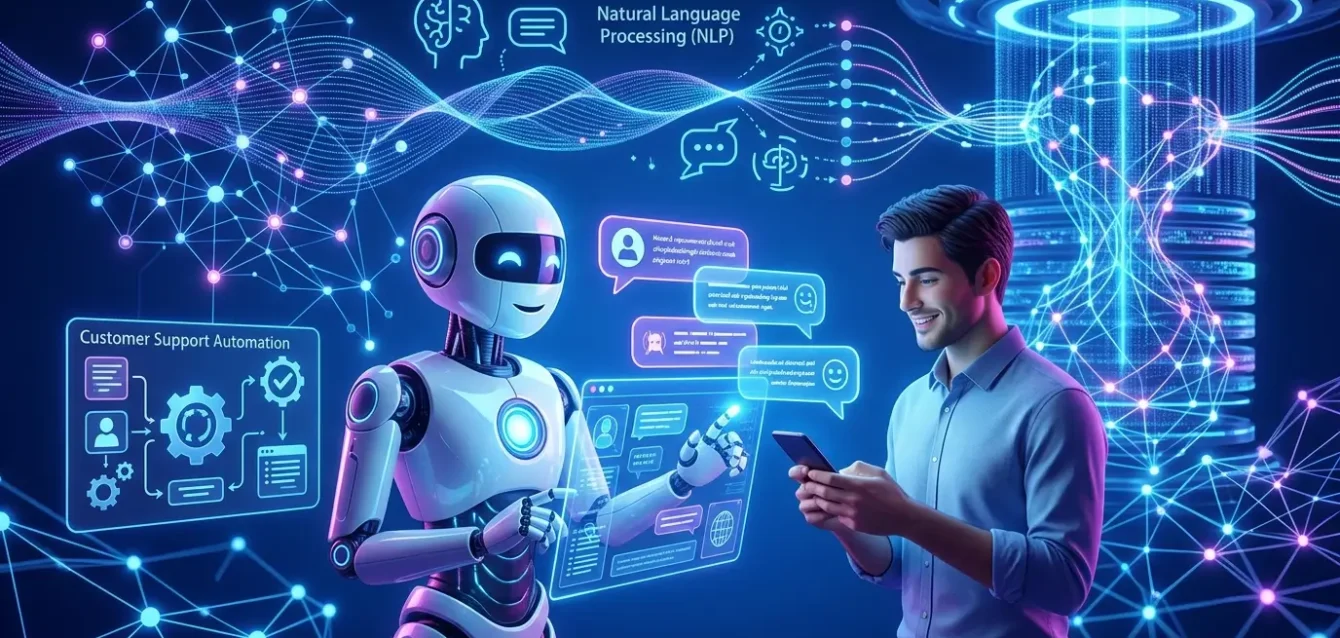
Chatbots have become a normal part of our digital lives. Whether you are shopping online, asking customer service questions, booking appointments, or using AI assistants, chatbots are helping millions of people every day.
But have you ever wondered how chatbots reply so quickly?
Some people imagine there must be a mysterious secret behind these instant responses. Maybe chatbots are actually powered by friendly ghosts of 19th-century telegraph operators hidden inside the internet.
Every time you send a message, a ghost quickly taps a reply in Morse code, and your screen magically translates it into English.
Sounds spooky and interesting, right?
Of course, this is only a fun imagination. There are no ghosts trapped inside computers. The real technology behind chatbots is artificial intelligence, machine learning, and natural language processing.
And the real story is even more fascinating.
What Is a Chatbot?
A chatbot is a software program designed to communicate with humans through text or voice conversations.
Chatbots can answer questions, provide information, complete tasks, and help users without requiring a human assistant every time.
Modern AI chatbots can understand natural language, learn from interactions, and generate human-like responses.
Businesses use chatbots to improve customer experience, save time, and provide support 24/7.
How Do Chatbots Work?
Chatbots work by combining several advanced technologies that allow computers to understand and respond to human communication.
The process usually includes a few important steps.
1. Understanding User Messages
When you type a message, the chatbot first analyzes your words.
AI-powered chatbots use Natural Language Processing (NLP) to understand:
- What you are asking
- The meaning behind your message
- The best possible response
This helps chatbots communicate in a more natural way.
2. Processing Information
After understanding your request, the chatbot processes information.
It searches available knowledge, analyzes context, and decides what answer or action is required.
For example:
If you ask:
“What time does my order arrive?”
A chatbot may check order details and provide delivery information.
3. Generating a Response
Once the chatbot understands the request, it creates a response.
Older chatbots used fixed replies.
Modern AI chatbots can generate unique answers based on the conversation.
This makes interactions feel more natural and helpful.
Types of Chatbots
Different chatbots are designed for different purposes.
Rule-Based Chatbots
Rule-based chatbots follow predefined instructions.
They work using specific questions and answers created by developers.
They are useful for simple tasks but have limited flexibility.
Examples:
- Basic website support bots
- FAQ assistants
- Simple booking systems
AI-Powered Chatbots
AI chatbots use artificial intelligence and machine learning.
They can understand complex questions, learn patterns, and provide more advanced responses.
Examples:
- Virtual assistants
- AI writing tools
- Smart customer support systems
Voice Chatbots
Voice chatbots allow users to communicate by speaking instead of typing.
They use speech recognition technology to understand voice commands.
Real-World Examples of Chatbots
Today, chatbots are used across many industries.
Customer Support
Businesses use chatbots to answer customer questions quickly.
They help with:
- Product information
- Order tracking
- Technical support
- Common problems
E-Commerce
Online stores use chatbots to improve shopping experiences.
They can recommend products, answer questions, and help customers complete purchases.
Healthcare
Chatbots can help organize information, provide general guidance, and improve communication between users and services.
Education
Educational platforms use chatbots to help students learn, answer questions, and provide study assistance.
Benefits of Chatbots
Chatbots offer many advantages for businesses and users.
24/7 Availability
Chatbots can provide support anytime without waiting for business hours.
Faster Responses
They can answer common questions instantly and reduce waiting times.
Cost Efficiency
Businesses can automate repetitive conversations and allow human teams to focus on more complex problems.
Better User Experience
AI chatbots provide quick, personalized, and convenient communication.
Are Chatbots Replacing Humans?
Many people wonder if chatbots will replace human workers.
The goal of chatbot technology is not simply replacing people. Instead, chatbots help automate repetitive tasks and support human productivity.
Humans are still important for creativity, emotional understanding, and complex decision-making.
The Future of Chatbots
The future of chatbot technology is developing quickly.
Future AI chatbots will become more intelligent, personalized, and capable.
They may improve areas such as:
- Business automation
- Online learning
- Digital assistants
- Customer experience
- Workplace productivity
As artificial intelligence continues growing, chatbots will become an even bigger part of everyday technology.
Final Thoughts
The idea of ghosts secretly sending chatbot replies through Morse code is a fun story, but the real technology is much more impressive.
Chatbots work through artificial intelligence, natural language processing, and machine learning systems that allow computers to communicate with humans.
From customer support to personal assistants, chatbots are changing how we interact with technology.
The real secret behind chatbots is not ghosts — it is innovation, data, and the continuous development of artificial intelligence.